
As children, imagination came naturally, allowing us to nurture our creativity. A cardboard box could become a spaceship. A walk in the park could turn into a treasure hunt. We didn’t need permission to be creative; we just were. But as we grow older, structure takes over. We learn to prioritize results, chase productivity, and often suppress that spontaneous, joyful side of ourselves in favor of what’s expected.
But what if those childhood traits, wonder, silliness, curiosity weren’t just childish quirks, but keys to a more creative and fulfilling life? What if the very mindset we were taught to “grow out of” is the one we now need most to unlock our passion?
In this article, we explore how to bring that childlike imagination back into our adult lives, not to regress but to reawaken joy, originality, and emotional freedom.
Curiosity without an agenda
One of the most beautiful qualities kids have is the ability to ask endless questions—just because. They’re not trying to be efficient or productive. They’re simply fascinated by the world. “Why is the sky blue?” “What does a worm eat?” “Can a cat wear shoes?” Every moment is a chance to discover something new, without any expectation of outcome.
As adults, our curiosity often becomes transactional. We pursue knowledge with an end goal in mind, career growth, project results, measurable ROI. But when curiosity is free from expectation, it becomes the birthplace of true innovation.
Try this: explore something you know nothing about. Read a random article. Watch a documentary in a genre you’d usually skip. Allow yourself to learn without needing a reason. This unstructured exploration often leads to the most original and surprising insights.

The joy of doing silly things
Remember what it felt like to draw dinosaurs with crayons? To dance in your room like no one was watching, expressing yourself like a child? To create something for no one but yourself, like a child? Kids don’t worry about being impressive; they simply enjoy the creative process. They care about how something feels, not how it looks on a portfolio or resume.
As adults, we’re trained to ask: “Is this useful?” “Will this make me money?” “Does this look good enough to share?” But silliness is not wasted energy; it’s creative oxygen.
Laughter, play, and harmless nonsense loosen the mental gears that get stuck under pressure.
You don’t need to be an artist to doodle; you just need to embrace your creativity and express yourself. You don’t need to be funny to joke. You don’t need an audience to play; you just need to express yourself freely. These simple, silly acts soften the seriousness we carry and make space for playfulness, the same quality that fuels bold ideas and risk-taking.
So go ahead: wear mismatched socks. Sing out loud while you cook. Sketch during your next Zoom call. It’s not childish; it’s creative maintenance.

Trusting more, controlling less
Children don’t wait for a full strategy before jumping into action. They build with blocks, tell wild stories, and draw freely without worrying whether it’s “good,” nurturing their creative process. As adults, that sense of trust often gets buried under anxiety, fear of failure, and perfectionism.
But here’s the truth: overthinking kills creativity. We don’t always need a five-step plan to begin. Sometimes, we just need to begin like we used to.
Letting go of the need to control everything, every word, every outcome, every impression can feel scary. But it can also be incredibly freeing. It opens up space to experiment, iterate, and enjoy the process of making again.

Bringing it back, one day at a time
You don’t have to quit your job or move to the woods to rediscover your childlike creativity. You just need to start making a little room for it every day.
Take a walk with no destination to unlock new ideas.
Pick up a new hobby you don’t plan to monetize.
Ask a strange question and explore it.
Laugh more. Worry less and embrace your passion for the creative process. Wonder out loud.
These small shifts help rewire the part of us that’s forgotten how to play and imagine. And when practiced regularly, they begin to influence how we solve problems, how we show up at work, and how we connect with others.
At Idea Morph, we often talk about "creative permission"; the inner space we give ourselves to try, mess up, start over, and stay curious. It's this mindset, often shaped by playful ideation, that fuels our most unexpected breakthroughs.
Final thoughts: that curious kid is still in there
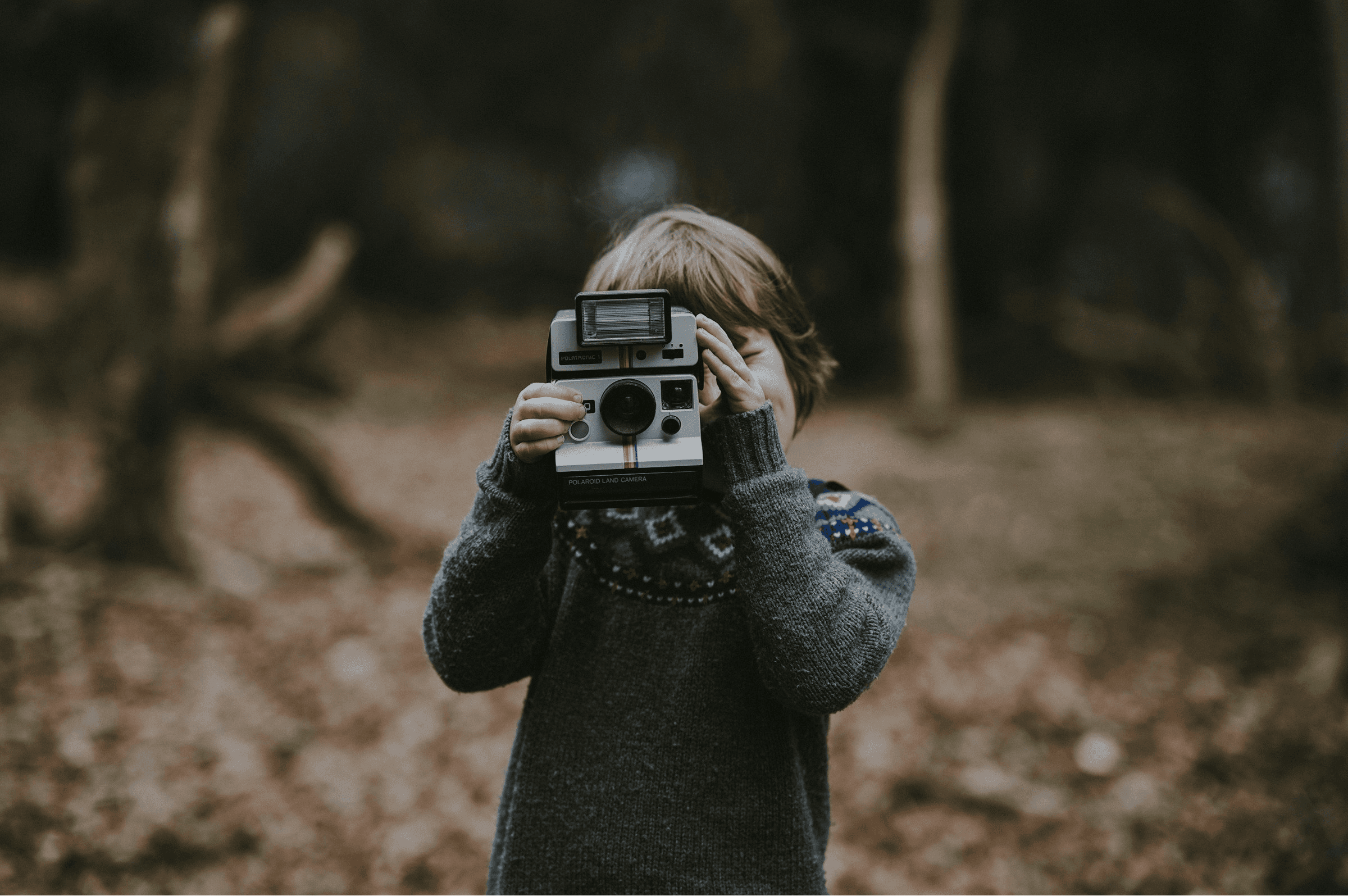
Life as an adult can feel heavy. Structured. Predictable. But somewhere underneath all that responsibility, the kid who used to dream without limits is still with you. And they’re not asking you to regress; they're asking you to remember how to express your creativity.
To remember how to wonder. How to play. How to trust that even if the outcome is unclear, the act of creating is still worth it and can unlock new ideas?
Reigniting your childlike imagination won’t just make you more creative. It’ll make you more present, joyful, and human. And that’s a kind of success we don’t measure enough.