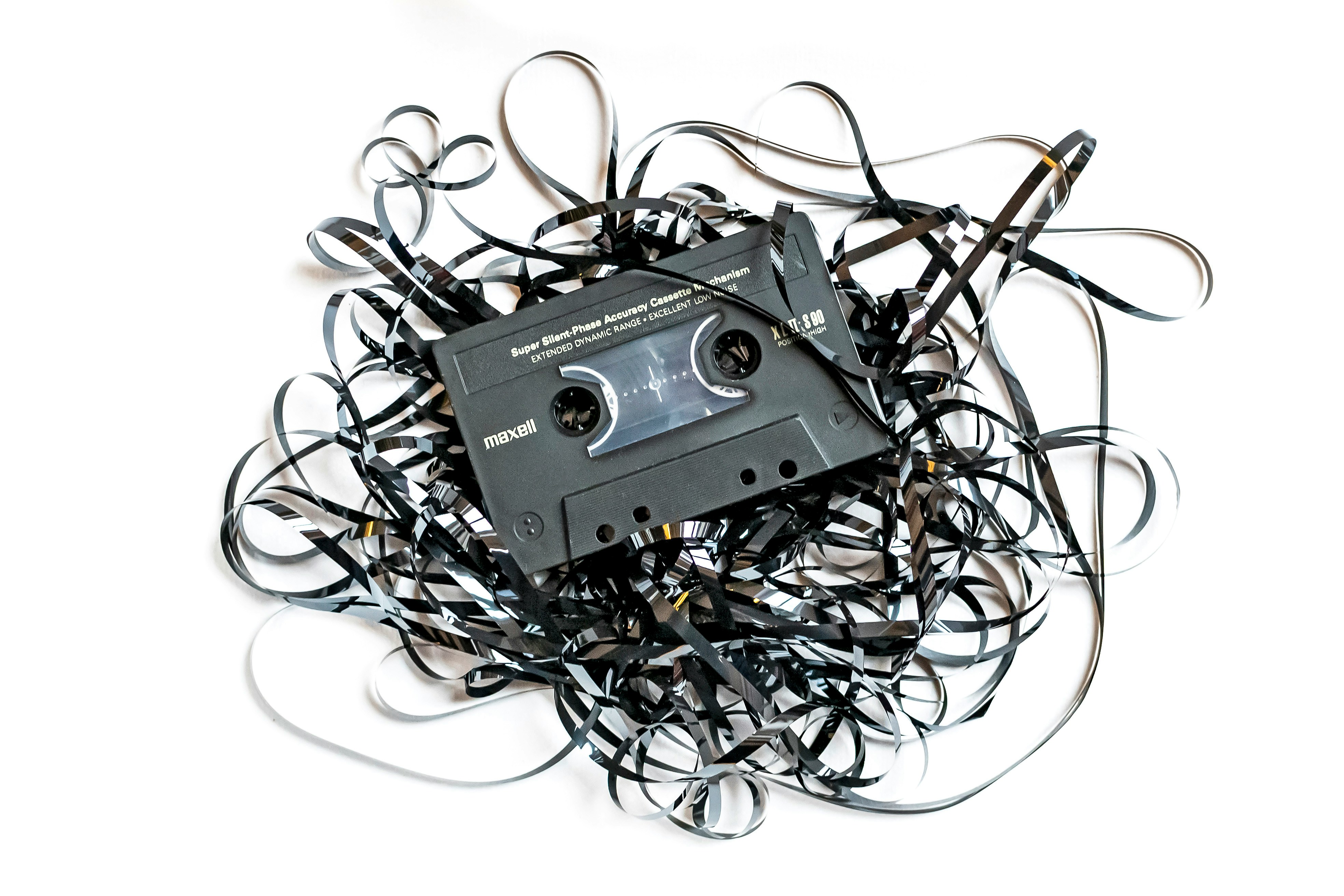
Most of us are taught that being organized is the key to getting things done. A clean desk, a neat calendar, and a perfectly structured to-do list all seem like signs of success. But what if that’s only part of the story? What if being a little messy actually helps you generate ideas and boost your creativity?
Turns out, it can. Many creative people and scientific studies suggest that a bit of disorganization isn’t always a problem. In fact, it can sometimes help us think in more original and useful ways. Let’s take a closer look at how creativity really works, and why letting go of perfect structure might be exactly what you need.
What creativity really means in everyday life
Creativity doesn’t just belong to artists, designers, or musicians. It’s something we all use whether you're figuring out how to fix a problem at work, thinking of new ways to run a meeting, or just trying to get your kids to eat something green. At its core, creativity is about coming up with something new and useful. It’s not just about thinking differently, it’s about thinking in ways that help.
That’s why creativity matters so much in real life. It helps us adjust to new challenges, improve how we work, and find better ways to connect with each other. You don’t need to be the “creative type” to benefit from creative thinking. You just need the right space, mindset, and a little bit of freedom to let your ideas grow even if they come out of a slightly messy space.

The science of creativity: What’s going on in your brain
So what’s happening in the brain when we come up with a new idea? A lot, actually. One important part is something scientists call the default mode network, this kicks in when your mind is wandering or daydreaming. It’s not focused on one task, but it’s still very active. This area is tied to imagination, reflection, and surprisingly, a lot of creative thinking.
Another key concept is divergent thinking, which is just a fancy way of saying “coming up with lots of different solutions.” It’s the opposite of trying to find one correct answer. People who are good at this kind of thinking often make unexpected connections and notice patterns that others might miss. And according to research, letting your space or schedule be a little less rigid can encourage this kind of thinking.
That means creativity doesn’t always come from sitting down with a perfect plan. Sometimes, you need to let things be a little loose to give your brain space to connect the dots in new ways.

How a bit of chaos can help generate ideas
Here’s the interesting part: having a little mess in your life whether it’s physical clutter, a loose schedule, or a non-linear way of thinking might actually make it easier to come up with better ideas. Why? Because it:
Breaks your usual routines
Gives your brain new things to notice
Encourages unexpected connections
Think of it like this: when everything is perfectly in place, your brain might get stuck in its regular patterns. But when things are a little off, your mind has to work harder to make sense of them and that often leads to creative insights.
Some of the most creative people in history were famously messy. Einstein’s desk was chaotic. Mark Twain wrote on whatever paper was around. They weren’t disorganized for fun it was just how their creativity worked.

Real-world example: How Idea Morph used creativity to solve a messy problem
This isn’t just theory, it’s something that works in real life, too. A great example is the Idea Morph case study about improving community experience. You can check it out here.
The team started with a tough challenge: low engagement, unclear direction, and no easy answers. Instead of trying to force a clean solution, they embraced the mess. They used open brainstorming sessions, encouraged unstructured conversations, and collected tons of feedback from everyone involved.
What happened next? A fresh strategy emerged one that helped reshape how the community worked. New energy came from that messy, creative process. It didn’t start with rules. It started with ideas, and the willingness to let people explore them freely.

Want to boost creativity? Try these simple tips
If you want to build more creative habits into your own work or life, it doesn’t mean you have to throw everything into chaos. But you can make small changes that open the door to new ideas. Here are a few:
Let your workspace be a little imperfect. Random notes, open books, or a few sticky notes can act as prompts.
Change up your routines. Even something simple like taking a different route to work can shake up your thinking.
Keep a “messy ideas” notebook. Jot down half-formed thoughts, doodles, or random quotes. They might connect later.
Invite randomness. Watch something outside your usual interests. Talk to someone in a different field. New input leads to new ideas.
These small shifts can make a big difference in how easily your brain can spark new ideas.
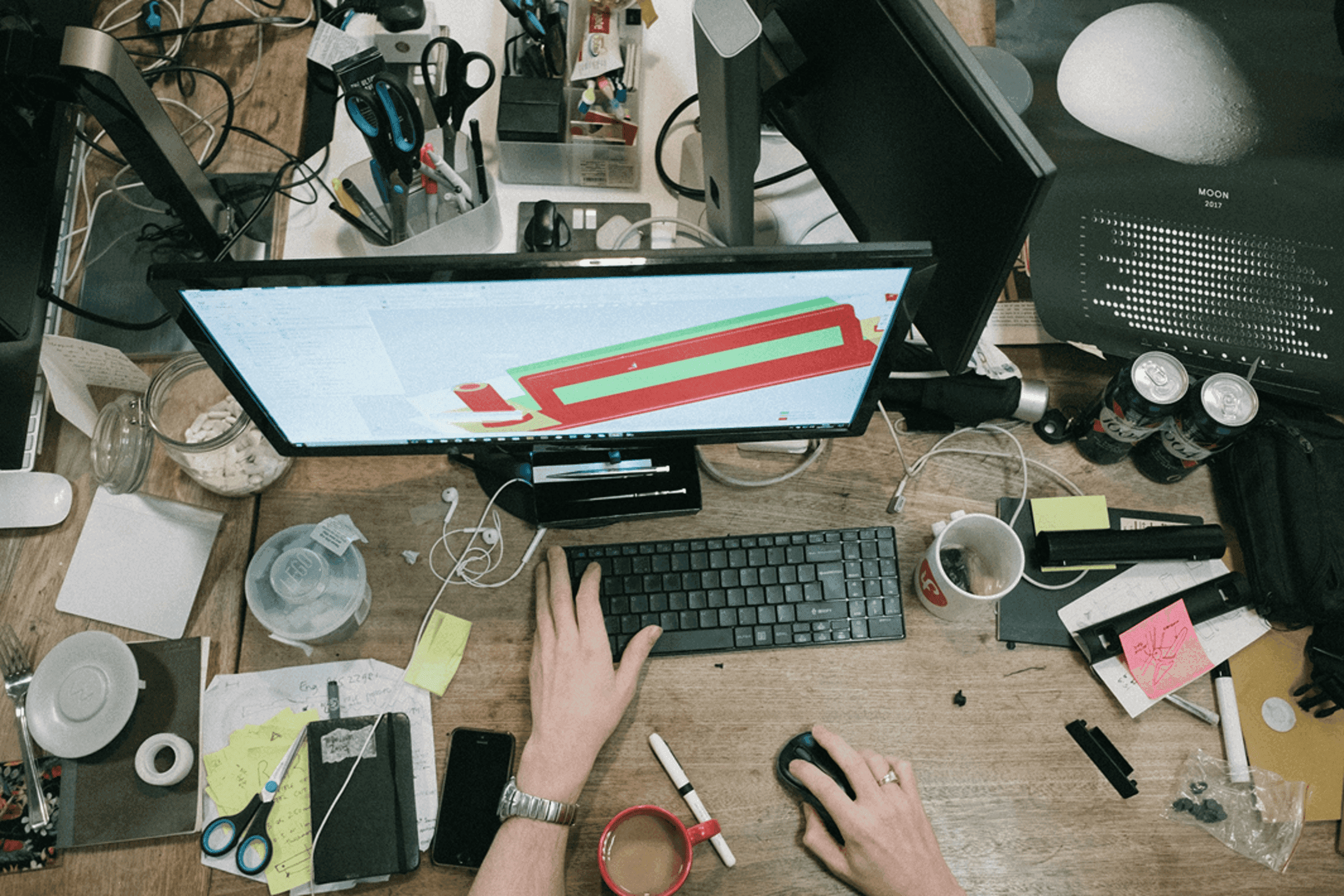
Creativity Is messy and that’s a good thing
So let’s wrap it up with this: creativity doesn’t always look clean. In fact, the most useful, original ideas often come from a little disorder. That’s what the research says. And that’s what real-life experience shows us too.
The truth is, trying to control every detail can sometimes hold us back. By allowing a little more freedom in how we think, how we work, and how we create, we leave room for something better real, fresh, meaningful ideas.
So if you’re feeling scattered, or if your desk looks like a tornado hit it, maybe don’t clean it up just yet. You might be on the edge of your next big breakthrough.
And if you want to see what this looks like in action, take a look at how the team at Morph used creative mess to build something better:
👉 Here’s the link to the Idea Morph case study
Creativity can feel chaotic but that’s often where the magic happens.